







ENJOY PROMOTIONS AND DISCOUNTS



Any purchase of $200 or more qualifies for free delivery within the USA.

Our products are scientifically-formulated and produced in cGMP facilities.

Have questions? We can help. Email us or connect with us via our Contact page.
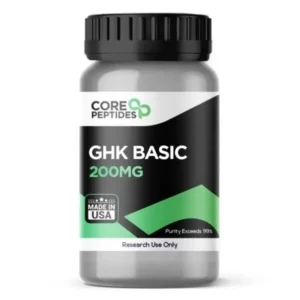


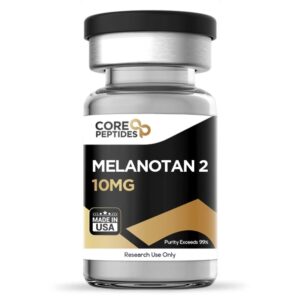


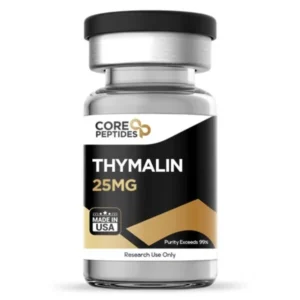


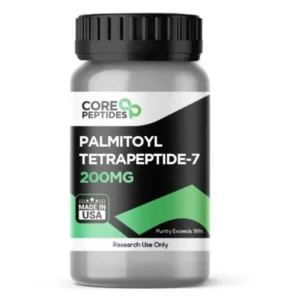


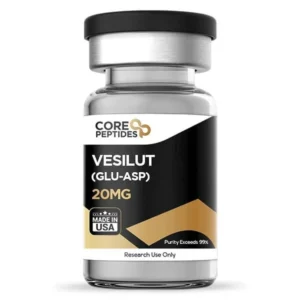
Researchers looking to buy peptides online for laboratory research should evaluate peptides as research-use-only laboratory materials, not consumer products. For laboratory buyers, the key considerations are peptide identity, purity documentation, batch-specific COAs, lot traceability, product labeling, analytical testing, product form, storage information, and supplier transparency. This guide explains how to evaluate peptides for controlled research procurement through Pure Lab Peptides while keeping the discussion limited to documentation, quality review, and research-use-only sourcing.
Researchers can buy peptides online for laboratory research by reviewing RUO labeling, batch-specific COA documentation, purity data, identity information, storage guidance, and supplier transparency before selecting a source. Products discussed in this article are intended for laboratory research use only and are not intended for human or animal consumption.
The phrase buy peptides online is addressed here as laboratory research procurement intent, not personal-use intent. In this context, “buy peptides” refers to the process qualified researchers, laboratory buyers, research institutions, and technical procurement teams use to evaluate peptide materials before adding them to a controlled research workflow.
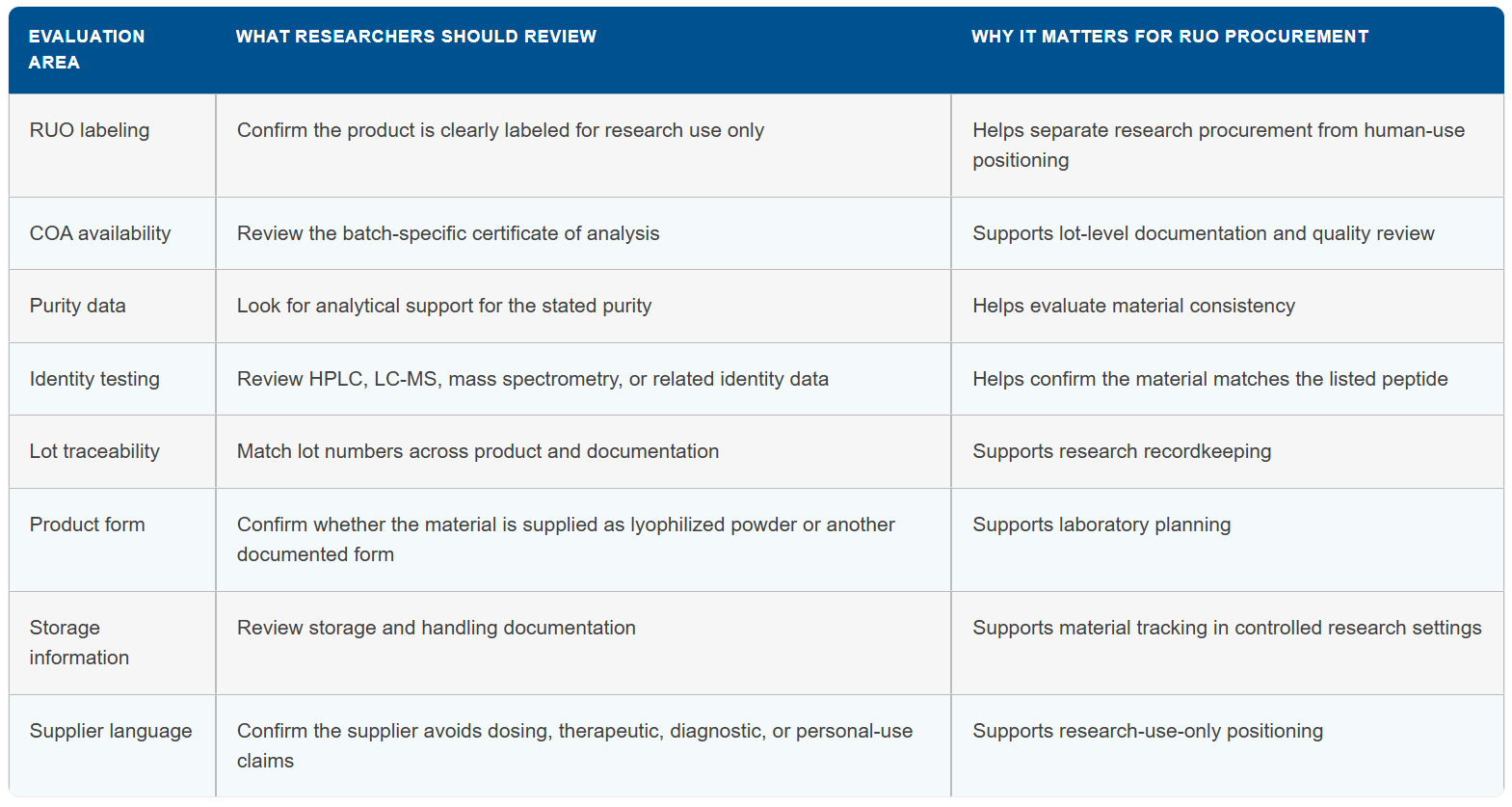
That evaluation should focus on documentation. A research procurement review should ask whether the supplier clearly labels peptide materials for research use only, whether a batch-specific certificate of analysis is available, whether purity and identity information are documented, whether the lot number is traceable, whether the product form is clearly stated, and whether storage and handling information is available before laboratory intake.
Research-use-only sourcing should also be consistent with product labeling and supplier language. FDA guidance discussing products labeled for research use only emphasizes that RUO positioning should align with the product’s stated intended use, which is why peptide procurement language should remain separate from clinical, diagnostic, therapeutic, or consumer-use language
Peptides are generally defined as compounds formed from two or more amino acid residues linked by peptide bonds [2]. IUPAC-IUB nomenclature guidance also provides standardized conventions for representing amino acids and peptide sequences in scientific contexts [3]. In laboratory documentation, peptides may be described by sequence, residue count, molecular weight, terminal groups, salt form, modification pattern, product form, analytical method, and purity documentation.
Because this article discusses peptides as a broad research-material category, the term “peptides” should not be treated as one compound. A research peptide may be a short peptide, a longer synthetic peptide, a peptide fragment, a cyclic peptide, a modified peptide, a peptide analog, or a multi-component peptide blend. PubChem describes peptides as compounds formed from two or more amino acids connected by peptide bonds, while IUPAC separately defines polypeptides as peptides containing ten or more amino acid residues [4] [5].
For procurement purposes, the broad category name is only the starting point. Researchers should evaluate the specific product name, sequence or molecular description where relevant, stated molecular weight where relevant, batch-specific COA, identity testing, purity documentation, lot number, product form, and storage documentation.
Modern peptide research materials are often discussed in connection with synthetic peptide chemistry. Merrifield’s work on solid-phase peptide synthesis established a foundation for sequence-directed peptide synthesis, and later Fmoc-based peptide synthesis literature describes widely used approaches for assembling synthetic peptides [6] [7] [8]. Reaction monitoring methods, including color tests for free terminal amino groups, have also been discussed in solid-phase peptide synthesis workflows [9].
Laboratory buyers search to buy peptides online because peptide procurement often requires more than product availability. Technical teams may need to compare RUO labeling, COA access, lot-level documentation, identity data, purity records, storage information, product form, and supplier transparency before selecting a research-use-only source.
For a broad category such as peptides, this review is especially important. Different peptide materials may differ in sequence, residue count, molecular weight, modifications, analytical behavior, and storage considerations. A product category name alone does not establish whether a specific research material is suitable for a laboratory workflow. Documentation should be reviewed at the product and batch level.
Researchers comparing suppliers should prioritize clear research-use-only positioning, batch-specific COA documentation, HPLC or LC-MS information where provided, lot number consistency, and transparent product-page details. Supplier language should remain focused on compound identity, purity documentation, analytical review, and laboratory procurement rather than outcomes, personal use, or product-use claims.
High quality peptides for sale online. A peptide catalog may include several types of research materials. Each category can require a slightly different documentation review, but the core procurement questions remain the same: What is the material? How is identity documented? How is purity documented? Is the COA batch-specific? Does the lot number match across the product record and documentation?
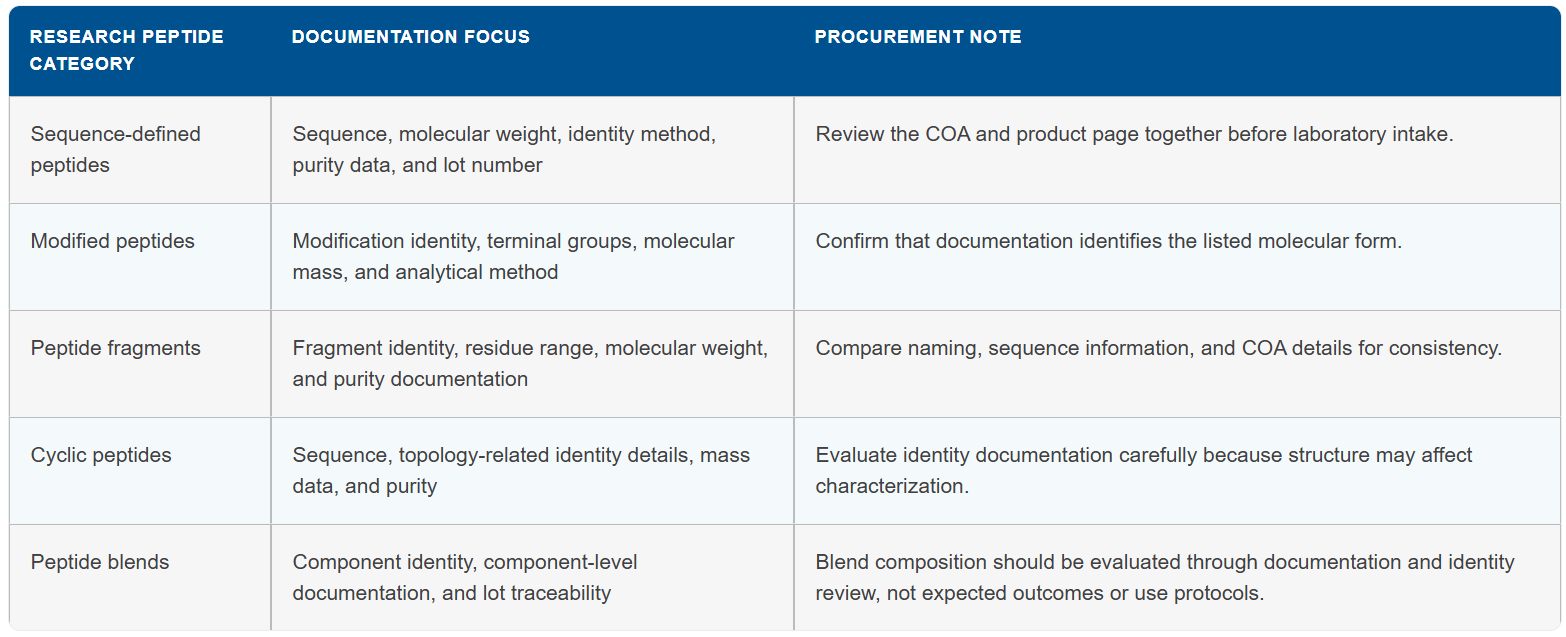
When researchers evaluate Buy Peptides Online options, the strongest quality signals are documentation signals. A peptide supplier should make it easy to review research-use-only positioning, batch-specific COA documentation, identity data, purity information, lot number consistency, product form, and storage guidance. These records help technical buyers evaluate whether the material can be logged into a controlled research workflow.

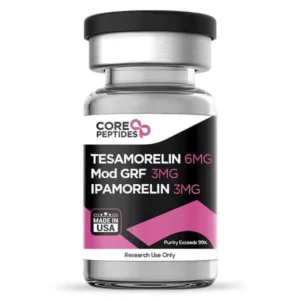
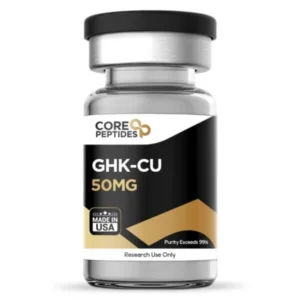
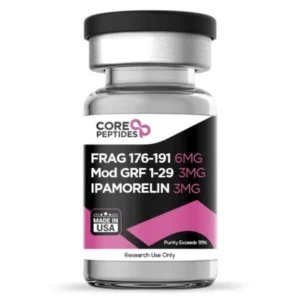
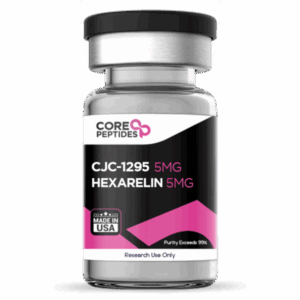
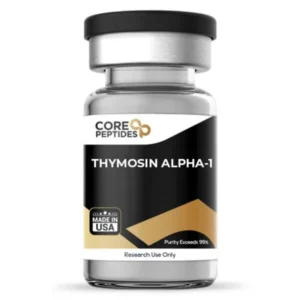
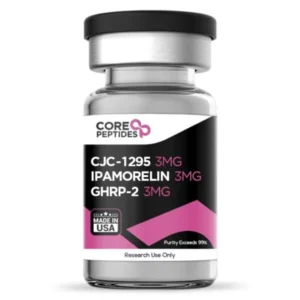
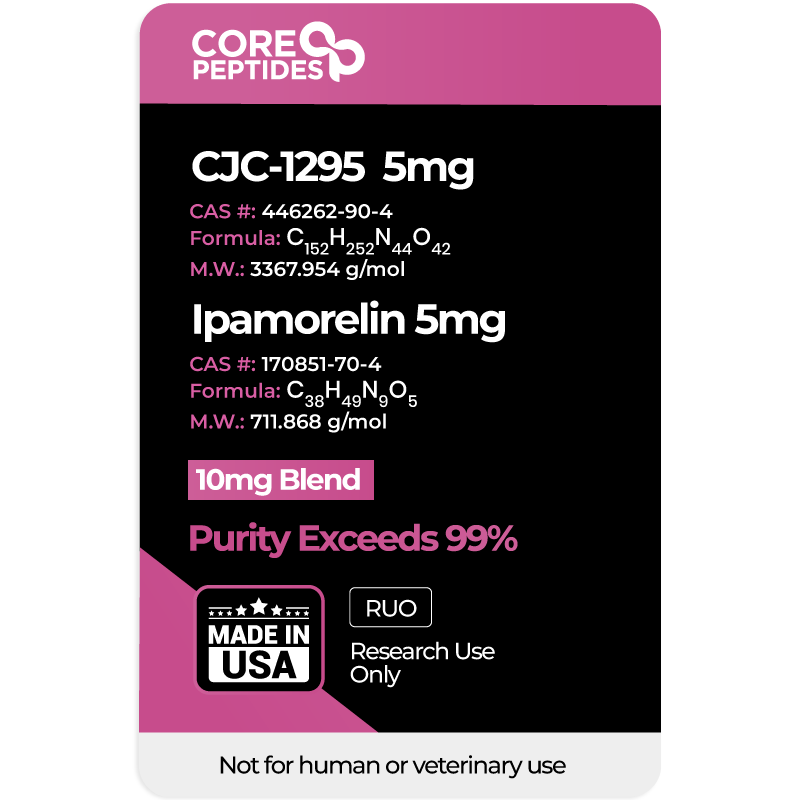
Welcome to Core Peptides. We are proud to carry the highest quality peptides and peptide blends in the research industry. All of our peptides have gone through rigorous quality control procedures to ensure our clients are receiving the best quality peptides available. We offer custom peptides for sale online.

ENJOY PROMOTIONS AND DISCOUNTS